
Feeling stuck in a reading slump is something that happens to almost everyone who loves books.
You might look at your bookshelf every day and still feel zero excitement to pick anything up.
Sometimes the books feel too heavy, too boring, or simply not right for your current mood.
This condition often appears when life feels busy, overwhelming, or mentally exhausting.
Ironically, reading is supposed to be relaxing, yet during a slump it feels like a chore.
Many people feel guilty because they want to read but cannot bring themselves to do it.
The good news is that a reading slump is not a permanent condition. With the right mindset and simple strategies, you can slowly rediscover your love for reading again.
In this article, we will talk about what a reading slump really is and why it happens.
We will also explore practical and realistic ways to get out of it without pressure.
Each method is designed to feel light, flexible, and enjoyable. You do not need to force yourself or follow strict rules.
Reading should feel like a friend, not an obligation. Let’s take a relaxed journey back into the joy of reading.
What Is a Reading Slump
A reading slump is a phase where you lose motivation or interest in reading. It can happen even if you usually love books and reading routines. This phase can last for days, weeks, or even months.
Some people think a reading slump means they no longer like reading. In reality, it usually means your mind needs a different approach. Understanding this helps remove unnecessary guilt and pressure.
A reading slump is not a failure or a bad habit. It is simply a signal that something needs to change. Once you recognize it, the solution becomes much easier to find.
Common Causes of a Reading Slump
Reading slumps do not appear without reason. They often come from a mix of mental, emotional, and lifestyle factors. Knowing the causes helps you choose the right solution.
A. Mental exhaustion
Mental fatigue makes it hard to focus on long stories or complex ideas. When your brain is tired, reading feels heavier than usual.
B. Busy daily routines
Work, study, and social obligations can drain your energy. By the time you want to read, you are already exhausted.
C. Wrong book choice
Reading a book that does not match your mood can kill motivation. Even a good book can feel boring at the wrong time.
D. Pressure to finish books
Setting strict reading goals can turn joy into stress. You might feel forced instead of excited.
E. Digital distractions
Social media and short-form content reduce attention span. This makes long reading sessions feel difficult.
Stop Forcing Yourself to Read
The first step to overcoming a reading slump is letting go of pressure. You do not need to read every day to be considered a reader. Reading should be optional, not mandatory.
Allow yourself to take a break without guilt. Sometimes stepping away helps you miss the activity again. This mental reset is more powerful than forcing progress.
Remember that reading is meant to be enjoyable. If it feels heavy, something needs to change. Giving yourself permission to pause is a healthy start.
Choose Lighter Reading Materials

Heavy books are not always the answer during a slump. This is the perfect time to explore lighter content. Shorter and simpler texts can rebuild your reading rhythm.
A. Short stories
Short stories give quick satisfaction without long commitment. They are perfect for rebuilding focus.
B. Essays and articles
Non-fiction essays can be read in small portions. They feel less overwhelming than full-length books.
C. Graphic novels or comics
Visual storytelling keeps your interest alive. It reduces mental strain while still engaging your mind.
D. Poetry
Poetry allows flexible reading without a fixed pace. You can enjoy it line by line.
Reread Old Favorite Books
Revisiting familiar books can be surprisingly comforting. You already know the story, so there is no pressure to understand everything. This familiarity reduces mental effort.
Old favorites often bring emotional nostalgia. They remind you why you fell in love with reading. That emotional connection can reignite motivation naturally.
Rereading is not a waste of time. It is a valid and meaningful reading experience. Sometimes comfort is exactly what you need.
Adjust Your Reading Expectations
High expectations can silently kill your reading mood. You do not need to read many books in a short time. Quality matters more than quantity.
Try lowering your reading targets. Even a few pages a day is enough. Consistency grows naturally without pressure.
Reading is not a competition. Your pace does not need to match anyone else’s. Enjoy the process, not the numbers.
Change Your Reading Environment
Sometimes the problem is not the book, but the environment. A small change in setting can make reading feel fresh again. Comfort plays a big role in focus.
A. Read in a new place
Try reading in a café, park, or different room. New surroundings can boost curiosity.
B. Improve lighting
Good lighting reduces eye strain. This makes reading more comfortable.
C. Reduce distractions
Put your phone away during reading time. A quiet environment helps concentration.
D. Add cozy elements
Blankets, tea, or soft music create a calming mood. Comfort encourages longer reading sessions.
Try Audiobooks as an Alternative
Reading does not always mean holding a physical book. Audiobooks are a valid and enjoyable alternative. They are perfect for busy schedules.
You can listen while commuting or doing chores. This keeps you connected to stories without effort. It helps maintain reading habits in a different form.
Audiobooks also help reduce pressure. You can relax and let the story flow. Sometimes listening feels easier than reading.
Explore New Genres
A reading slump can signal boredom with familiar genres. Trying something new can spark excitement again. Variety keeps reading interesting.
A. Switch fiction styles
Move from heavy novels to light romance or fantasy. Different tones create fresh experiences.
B. Try non-fiction
Biographies or self-reflection books offer new perspectives. They feel different from storytelling.
C. Read contemporary books
Modern themes feel more relatable. They often use simpler language.
D. Explore cultural stories
Books from different cultures feel refreshing. They expand worldview and curiosity.
Read Without Finishing the Book
You do not have to finish every book you start. Stopping a book is not a failure. It is a form of self-awareness.
If a book does not spark interest, move on. Life is too short for unreadable books. Your time and energy matter.
Giving yourself permission to quit removes pressure. It makes reading feel free again. Freedom increases motivation naturally.
Create a Gentle Reading Routine
Strict schedules can feel overwhelming during a slump. Instead, create a flexible and gentle routine. Small habits are more sustainable.
Set a relaxed reading time. Even five minutes is enough. Consistency matters more than duration.
Attach reading to daily habits. Read before bed or during breaks. This builds a natural rhythm.
Connect With Other Readers
Reading can feel lonely during a slump. Connecting with other readers can reignite excitement. Shared enthusiasm is contagious.
A. Join online reading communities
Discussion groups expose you to new ideas. They make reading feel social.
B. Follow book content creators
Book reviews and recommendations inspire curiosity. Visual content can spark interest.
C. Share reading experiences
Talking about books makes them more memorable. It deepens emotional connection.
Use Reading as Self-Care
Reading does not have to be productive. It can be a form of rest and self-care. This mindset removes pressure.
Choose books that comfort you. Mood-based reading is completely valid. Listen to your emotional needs.
When reading becomes healing, motivation returns. Joy replaces obligation. That is the true power of books.
Conclusion
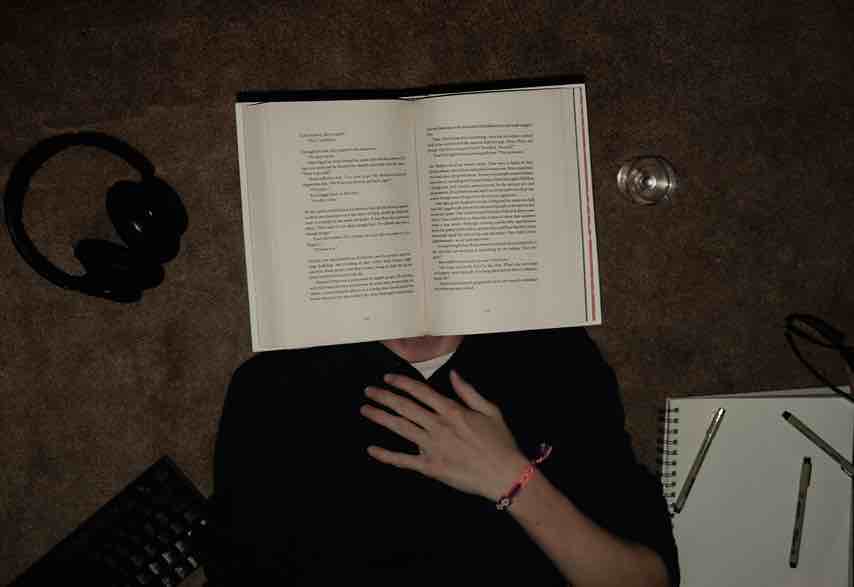
A reading slump is a natural phase that happens to many people. It does not mean you have lost your love for books. It simply means your mind and emotions need a different approach.
By understanding the causes, you can respond with kindness instead of pressure. Small changes can create big differences in motivation. Reading should always feel flexible and enjoyable.
Letting go of strict expectations is an important step. Freedom allows curiosity to grow again. Curiosity is the heart of reading joy.
Trying new formats and genres can refresh your perspective. Variety keeps your reading experience exciting. There is no single right way to read.
Remember that reading is a personal journey. Your pace and preferences are valid. Comparison only steals joy.
With patience and gentle effort, the slump will pass. Your love for reading will return naturally. Books will always be there waiting for you.
Leave a Reply