
Choosing the next book to read often feels harder than finishing the last one. You might stand in front of a bookshelf, scroll through an online library, or stare at a reading app without making a decision.
This situation is very common, especially when there are thousands of attractive titles competing for your attention. Many readers worry about picking the “wrong” book and wasting their limited time.
Others feel overwhelmed because every recommendation sounds equally good. Some people also feel pressured to read popular books even when they do not feel interested.
In reality, choosing your next reading material should feel exciting, not stressful.
Reading is a personal journey that changes over time. Your mood, life situation, and personal goals often influence what kind of book feels right.
A book that feels boring today might feel meaningful next year. That is why there is no universal rule for choosing the perfect book.
Instead, there are practical and flexible tips that can help you decide more confidently. These tips allow reading to stay enjoyable and sustainable.
This article will guide you through smart, relaxed, and realistic ways to choose your next read.
Understand Your Current Reading Mood
Before choosing a book, it helps to understand how you feel right now. Your emotional state plays a big role in reading enjoyment. Ignoring this often leads to unfinished books.
Some days you want something light and entertaining. On other days you may crave deep reflection or knowledge. Both choices are valid.
Reading based on mood keeps motivation high. It prevents reading from feeling like a chore. This approach builds a healthier relationship with books.
Try asking yourself simple questions. Do you want to relax, learn, or escape reality. Your answers will guide your choice.
Identify Your Reading Purpose
Every reading session has a purpose, even if it is subconscious. Understanding this purpose makes choosing easier. It also prevents disappointment.
Some people read for entertainment. Others read to gain new skills or insights. Many read to understand themselves better.
Your purpose does not need to be serious. Reading purely for fun is completely valid. Enjoyment is already a good reason.
When your purpose is clear, book selection becomes simpler. You stop comparing unrelated books. You choose what fits your intention.
Explore Different Genres Without Fear
Many readers limit themselves to one genre. This can slowly reduce excitement. Exploration keeps reading fresh.
Trying new genres expands perspective. It also introduces unexpected favorites. Some books surprise you in the best way.
Do not worry about labels. A book does not define who you are. You are free to explore.
Genre exploration builds flexibility. It prevents reading boredom. Curiosity becomes part of the habit.
Pay Attention to Book Length and Format
Book length matters more than people admit. A very long book can feel intimidating. A short book can feel refreshing.
Choosing based on available time is smart. Busy periods call for lighter reads. Calm periods allow deeper books.
Format also plays a role. Physical books feel different from digital ones. Audiobooks offer flexibility.
Matching format and length with lifestyle increases consistency. Reading feels manageable. This helps maintain momentum.
Read the Book Description Carefully
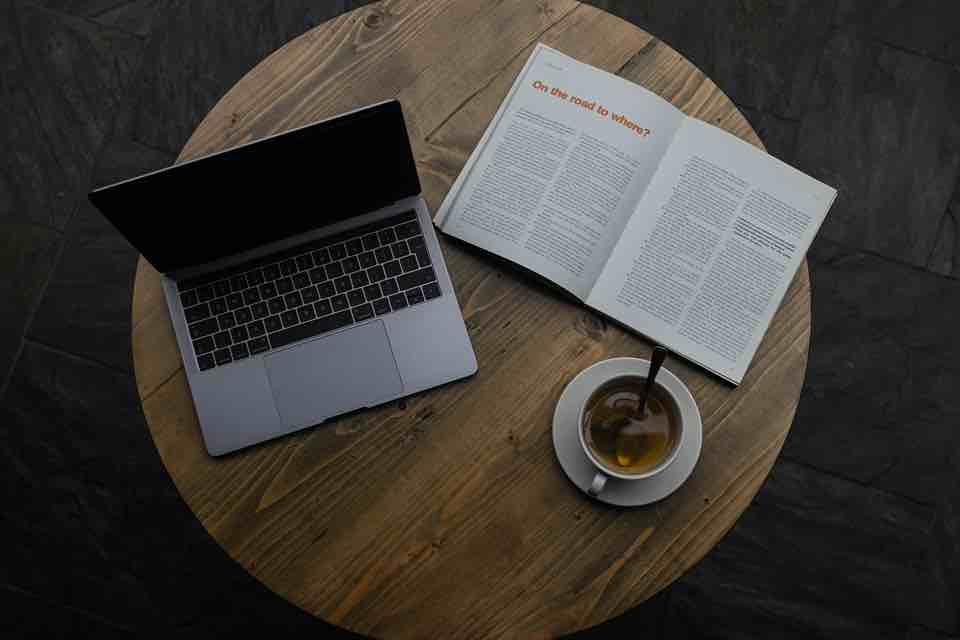
Book descriptions are helpful guides. They give a clear picture of content. Ignoring them often leads to mismatched expectations.
Pay attention to tone and themes. See if the story or topic resonates. Trust your intuition.
Avoid focusing only on hype. Popularity does not guarantee enjoyment. Personal connection matters more.
Descriptions help you imagine the experience. If it feels exciting, that is a good sign. Your curiosity is a strong indicator.
Learn From Past Reading Experiences
Your reading history is valuable information. Finished books show what worked. Unfinished books show what did not.
Reflect on patterns. Which books did you enjoy most. Which ones felt difficult.
This reflection is not about judgment. It is about understanding preferences. Growth comes from awareness.
Learning from experience saves time. It helps you avoid repeated frustration. Confidence grows naturally.
Use Recommendations Wisely
Recommendations can be useful tools. Friends often know your taste. Online reviews offer broader perspectives.
However, recommendations are not rules. Everyone reads differently. Context matters.
Use recommendations as inspiration. Not as pressure. You are free to say no.
Trust your instincts. If a book does not excite you, skip it. Your enjoyment comes first.
Avoid Reading Pressure and Comparison
Reading should never feel competitive. Comparing reading speed or volume creates stress. This often kills motivation.
There is no correct reading pace. Some read fast, others slow. Both are fine.
Avoid forcing yourself to finish books. Stopping is allowed. Your time is valuable.
Removing pressure makes reading sustainable. Joy returns naturally. Freedom strengthens habits.
Build a Flexible Reading List
A reading list helps organize choices. But it should stay flexible. Rigid lists cause guilt.
Keep a mix of options. Different genres and moods. This creates freedom.
Allow spontaneous choices. Mood can change suddenly. Your list should adapt.
A flexible list reduces decision fatigue. You always have options. Reading becomes easier.
Consider Life Phase and Personal Growth
Your life stage influences reading interests. Needs change over time. Books should reflect that.
During stressful periods, lighter books help. During reflective periods, deeper books fit. Both are necessary.
Personal growth books may feel right at certain times. At other times, stories feel more healing. Listen to yourself.
Reading aligned with life feels meaningful. It supports emotional balance. Books become companions.
Experiment With Reading Challenges Gently
Reading challenges can be motivating. But they should not feel strict. Flexibility is key.
Choose challenges that spark curiosity. Not obligation. Fun should lead.
Small challenges work best. They encourage exploration. Pressure stays low.
Gentle challenges renew excitement. They break routine. Reading stays playful.
Trust Your Instincts More Often
Sometimes logic fails. Instinct knows better. That feeling matters.
If a book attracts you, try it. Do not overthink. Curiosity is powerful.
Instinct-driven choices feel personal. They often lead to satisfaction. Confidence grows.
Trust builds over time. You learn your taste. Decision-making becomes easier.
Practical Steps to Choose Your Next Book
Here are clear and simple steps you can follow. They help reduce confusion. Use them flexibly.
A. Check your current mood
Ask how you feel today. Choose accordingly.
B. Define your reading goal
Relaxation, learning, or reflection. Clarity helps.
C. Review book descriptions
Look for emotional connection. Ignore hype.
D. Consider time and energy
Match book length with schedule. Stay realistic.
E. Allow yourself to stop
Unfinished books are okay. Freedom matters.
Common Mistakes When Choosing Books
Avoiding common mistakes saves time. It protects motivation. Awareness is key.
A. Choosing based only on popularity
Trends do not guarantee enjoyment. Personal taste matters.
B. Ignoring personal mood
Mismatch causes boredom. Listen to feelings.
C. Forcing difficult books
Challenge should feel rewarding. Not exhausting.
D. Comparing reading habits
Everyone is different. Respect your pace.
E. Overloading reading lists
Too many options cause stress. Simplicity helps.
Conclusion

Choosing the next book is a personal decision. There is no perfect formula. Only helpful guidance.
Understanding your mood makes reading enjoyable. It aligns choice with emotion. This prevents frustration.
Clear reading purpose reduces confusion. Intent shapes experience. Satisfaction increases.
Exploration keeps reading exciting. New genres bring surprises. Curiosity grows.
Removing pressure protects motivation. Reading stays joyful. Freedom matters.
Trusting instincts builds confidence. You learn your taste. Decisions feel easier.
In the end, books should serve you. Not the other way around. Enjoy the journey.
Leave a Reply